
THE ART OF WEARING WELL
Jewelry is made to be worn, but also to be cared for. Even the most enduring elements of nature reveal traces of life through wear, and the life you live will leave its own mark on your jewelry. With a few mindful habits, your pieces can remain beautiful for decades, developing character rather than damage. This guide is designed to be practical, easy to follow, and gentle on your daily routine.
DO’S
Wear your jewelry with intention and care.
Remove pieces before sleeping, showering, or physical activity.
Put jewelry on last, after skincare, perfume, and hair products.
Be mindful when layering or stacking, as gentle movement still creates friction over time.
Protect gemstones from prolonged heat and UV exposure.
DON’TS
Expose jewelry to lotions, perfumes, hairspray, soaps, bleach, or detergents.
Wear jewelry during activities involving impact, pressure, or pulling.
Assume precious metals and gemstones are indestructible.
Leave gemstones under strong sunlight or heat for extended periods.
Ignore signs of stress such as bent rings, loosened settings, or weakened chains.
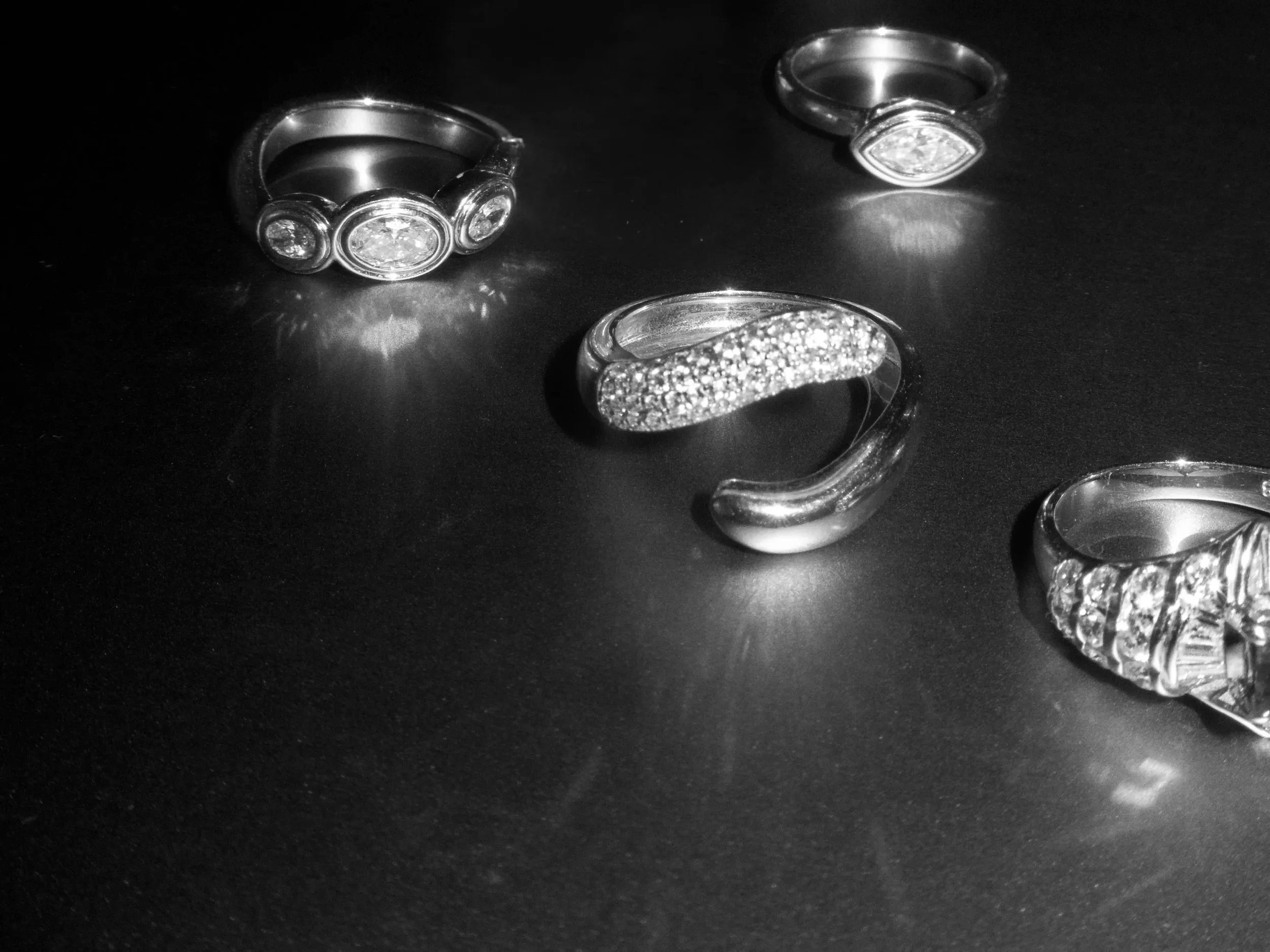
Your Jewelry Care Recipe
Always handle gemstone jewelry with extra care - some stones may require special attention.
Ingredients:
- A small bowl of warm water
- A few drops of mild, non-perfumed soap
- A soft toothbrush
Instructions:
1. Soak jewelry briefly in the soapy mixture.
2. Gently brush around and under the settings with a soft toothbrush.
3. Rinse thoroughly with clean water.
4. Pat dry with a paper towel.
Metal Care
Gold
Gold is durable, timeless, and does not tarnish. It’s softness increases with its karat, and scratches develop with wear.
Accumulates oils, lotions, and dead skin that dulls its sparkle.
Scratches are part of gold’s natural ageing process and contribute to its lived in character.
Clean with warm water, mild soap, and a soft brush.
Silver
Silver is a precious but softer metal that is more prone to scratching. This means it requires slightly more care.
Tarnishes over time due to oxidation, which can cause the surface to appear dull or black.
Wearing silver often helps prevent tarnish because the natural oils in your skin prevents oxidation
Clean with warm water, mild soap, and a soft brush. Or use a silver polishing cloth.
Platinum
Platinum is the most durable of precious metals and the easiest to care for. It’s appearance change over time in a unique way.
Patina is a hallmark of platinum — a soft, matte finish that develops over time.
Patina is a part of platinum’s ageing process and contribute to its lived in character.
Clean with warm water, mild soap, and a soft brush.
Yellow Metal Finishes
Our 9K gold and silver pieces are electroplated with a layer of 18K gold when a yellow metal finish is selected. This achieves the same warm, rich tone as solid 18K gold.
Gold plating will naturally wear over time.
9K gold may be left un-plated to reveal its natural tone.
Plated silver will gradually reveal its original silver colour as the plating wears.
White Metal Finishes
All gold and silver pieces are finished with rhodium plating when a white metal finish is selected.
Rhodium plating is standard practice in the industry and enhances brightness and surface protection.
It helps slow the tarnishing process on silver.
Rhodium plating wears naturally over time and may be re-plated when needed.
Polishing & Re-plating
Polishing and re-plating should only be carried out when visibly necessary.
Excessive polishing removes small amounts of metal and can soften details.
Wear varies depending o lifestyle, skin chemistry, and frequency of use.
Some may notice wear within moths, while others enjoy years before maintenance is needed. If ever unsure, we recommend getting in touch for advice.
Gemstone Care
General Gemstone Care
Not all gemstones are equally durable — those with a Mohs hardness scale of 7 and above are generally suitable for everyday wear (diamond, sapphire, ruby, spinel, topaz, and tourmaline).
“Last On, First Off” Rule — always put your jewelry on after applying perfume, hairspray, and lotion.
Avoid sudden temperature changes.
Avoid ultrasonic or steam cleaners unless specifically advised.
Diamond Care
Diamonds are among the hardest natural materials, with a Mohs hardness scale of 10, making them suitable for regular wear. However, hardness does not mean you can be careless.
Resistant to scratching, but can chip if struck at the right angle.
Diamonds can scratch diamonds.
Oils and residue can dull brilliance over time.
Clean regularly with warm water, mild soap, and a soft brush to maintain sparkle. Periodic inspection of settings is recommended to ensure stones remain secure.
Moonstone Care
Moonstones are soft and sensitive gemstones, and require gentler handling to maintain their ethereal glow (adularescence).
With a Mohs hardness scale of 6-6.5, moonstones are prone to scratching and surface wear.
Avoid sudden changes in temperature as it can cause internal cracks.
Avoid any chemicals as they eat away at its dreamy luster.
Clean regularly with lukewarm water and a soft microfiber cloth. For a deeper cleanse, a quick dip in mild soapy water is fine.